
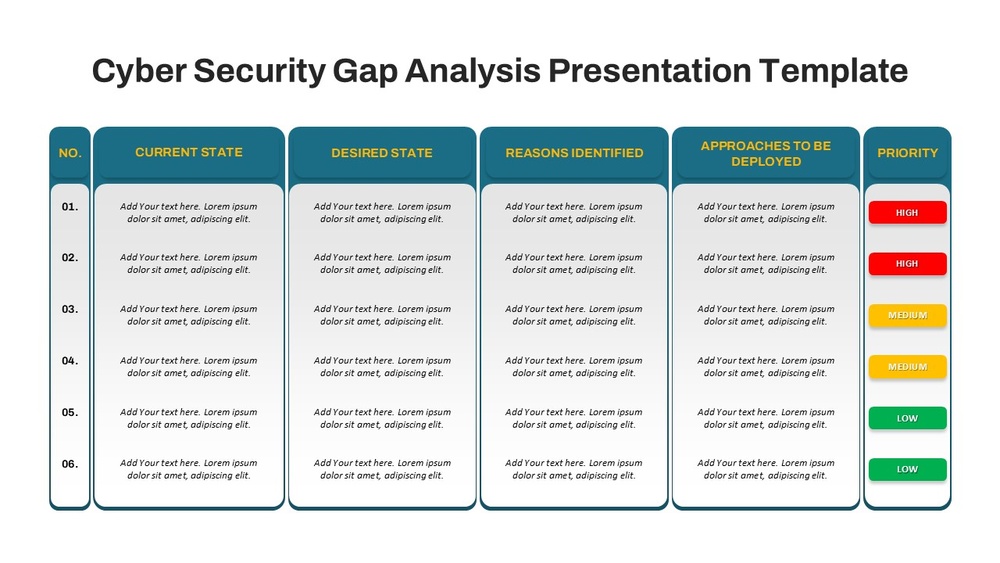
Are you confident that your current security measures fully protect your business? A Security Gap Analysis Report can reveal the hidden weaknesses that leave your organization exposed.
This report helps you compare your existing security setup against industry standards, pinpointing exactly where you fall short. By understanding these gaps, you gain a clear path to strengthen your defenses and avoid costly breaches. Keep reading to discover how a Security Gap Analysis Report can transform your security strategy and give you the peace of mind your business deserves.
Purpose Of Security Gap Analysis
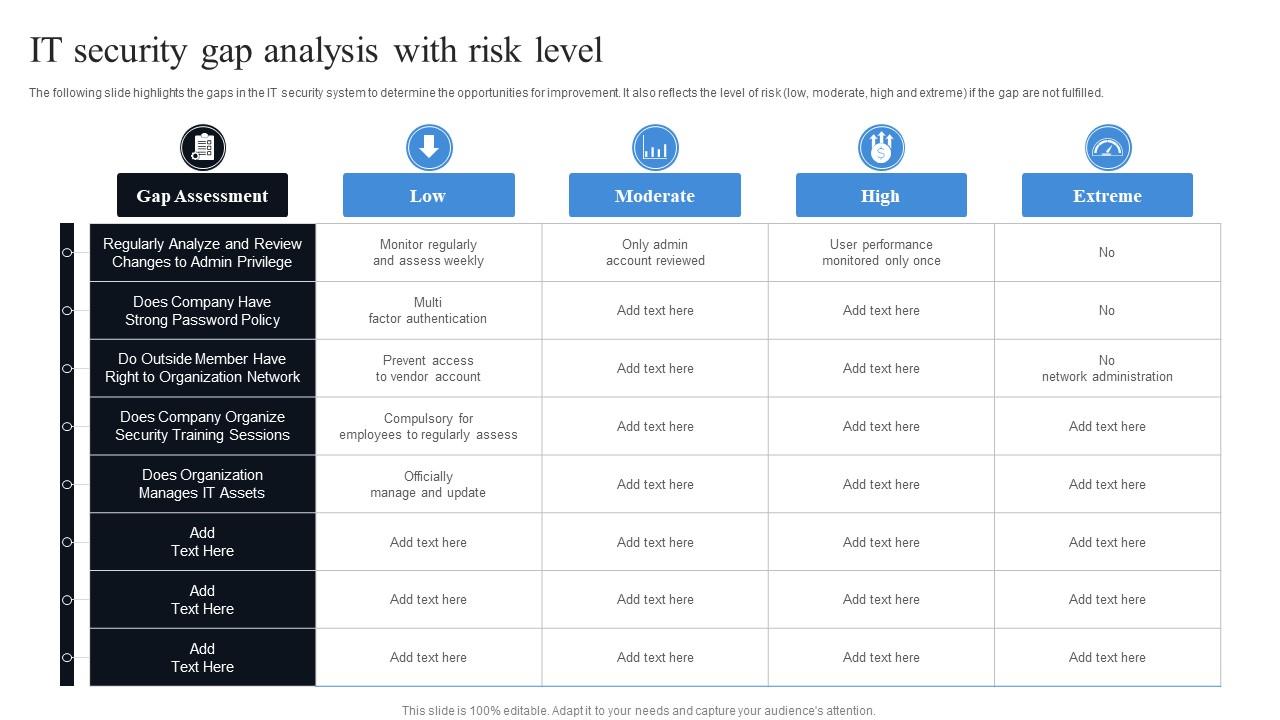
A Security Gap Analysis compares current security levels to set standards. It helps find where security is strong or weak. This process shows which rules or controls are missing or not working well.
Identifying vulnerabilities and risks is the key step. Gaps in security can lead to data loss or attacks. Knowing these gaps helps decide what to fix first. It also guides how to improve security policies and tools.
Clear reports show differences between what is and what should be. This helps teams focus on areas needing urgent attention. The goal is to reduce risks and protect important information.
Choosing The Right Framework
Choosing the right security framework is key to a strong defense. Popular choices include NIST, ISO 27001, and CIS Controls. Each offers specific guidelines and best practices to follow. NIST is great for government and large companies. ISO 27001 suits businesses wanting formal certification. CIS Controls are easier for smaller teams to apply.
Aligning frameworks with business needs helps focus resources well. Evaluate company size, industry rules, and risk levels. Pick a framework that matches these factors to close security gaps effectively. This makes compliance easier and protects critical data better.
Evaluating People And Processes
Employee security awareness is vital in reducing risks. Regular training helps workers recognize threats like phishing and malware. Testing knowledge with quizzes or simulations shows if training works. Clear communication about security policies keeps everyone informed.
Reviewing security policies and procedures ensures they match current risks. Policies should be easy to understand and follow. Procedures must be tested often to find weaknesses. Updating rules based on new threats is necessary. Involve employees in policy reviews to get feedback.
Collecting And Analyzing Data
Collecting accurate data is crucial for a security gap analysis. Use multiple methods to gather relevant information. These methods include interviews, surveys, and system logs. Each method helps uncover different security issues and weaknesses.
Security assessment tools provide essential support. They help identify vulnerabilities quickly and reliably. Common tools include vulnerability scanners, penetration testing software, and risk assessment platforms. These tools give clear data on security gaps.
| Data Collection Method | Purpose |
|---|---|
| Interviews | Gather insights from employees about security practices |
| Surveys | Collect broad feedback on security awareness |
| System Logs | Track and analyze security events and incidents |
| Vulnerability Scanners | Detect known security weaknesses in systems |
| Penetration Testing | Simulate attacks to find real-world vulnerabilities |
Identifying Security Gaps
Detecting control deficiencies means finding areas where security measures are weak or missing. Controls include technical tools, processes, and people who protect data.
Common issues include outdated software, weak passwords, and poor user training. Missing or poorly enforced controls increase risk of attacks.
Policy and governance weaknesses happen when rules are unclear or not followed. Policies guide how security should work, while governance ensures rules are enforced.
Weak governance can lead to inconsistent security practices. Lack of clear policies may confuse employees about their roles in security.
Regular reviews help spot these gaps early. Fixing control and policy gaps strengthens the entire security system.
Root Cause Analysis
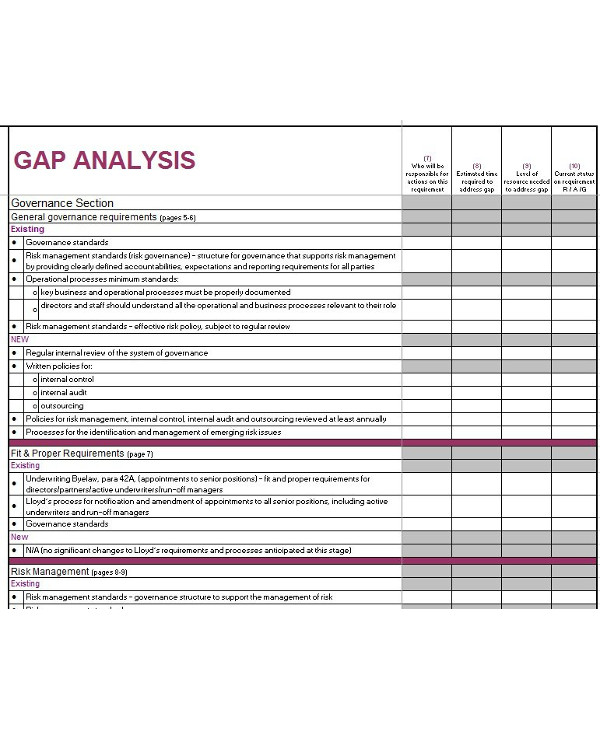
Tracing vulnerabilities to their origins helps find the true causes of security gaps. It reveals weak points in software, hardware, or human actions. These weak points let attackers enter systems easily. Sometimes, outdated systems or poor setup cause flaws.
Evaluating systemic issues means checking how different parts of the system affect each other. One small problem can grow and create bigger risks. Policies and user habits also play a role. Without clear rules, mistakes happen often.
Root cause analysis looks beyond symptoms. It digs into why problems exist and how they connect. Fixing these deep issues stops problems from returning. This approach helps build stronger, safer systems over time.
Developing An Action Plan
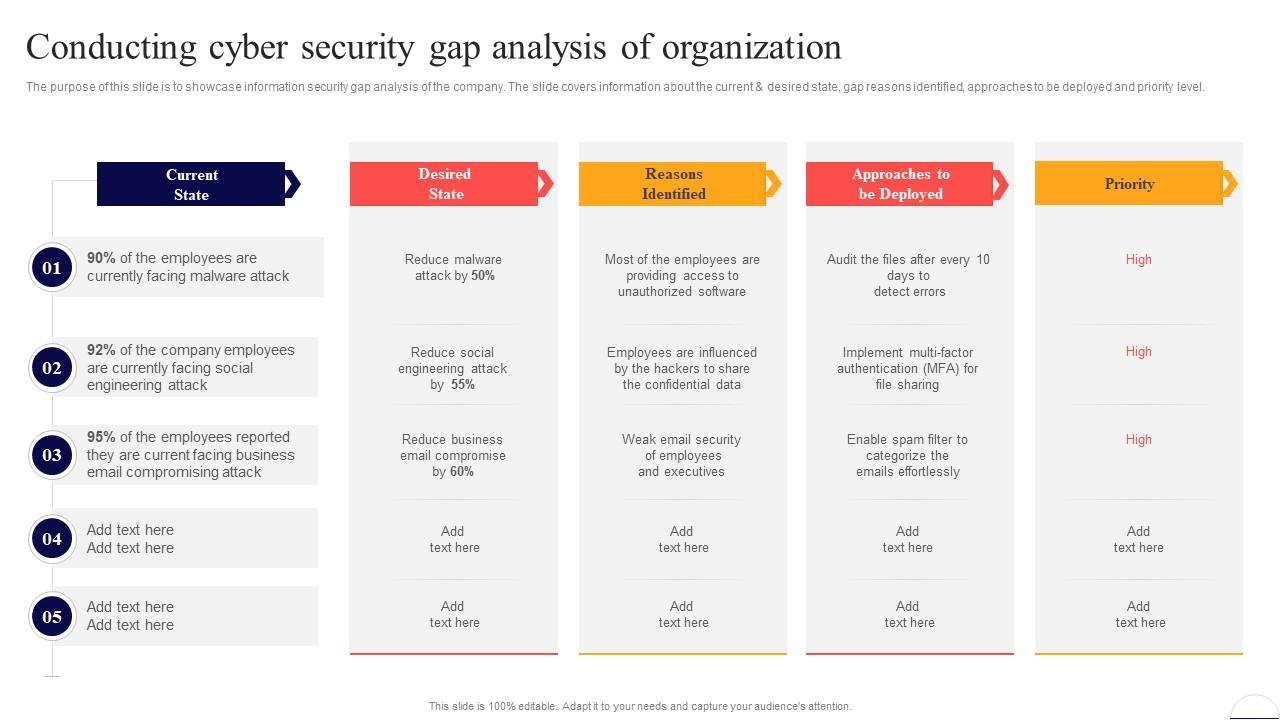
Prioritizing risks involves ranking security gaps by their potential impact. Focus first on risks that could cause the most damage. Consider factors like data sensitivity, threat likelihood, and business impact. Use a simple scale such as high, medium, and low to classify risks. This helps direct resources efficiently.
Designing remediation strategies means creating clear plans to fix each risk. Strategies can include patching software, updating policies, or training staff. Each plan should have specific steps, responsible persons, and deadlines. Keep solutions practical and easy to follow. Regular reviews ensure progress and adjust plans if needed.
Implementing Security Improvements
Deploying security controls and solutions is key to closing vulnerabilities. Choose tools that fit your company’s needs and risks. Install firewalls, antivirus software, and intrusion detection systems to protect networks. Regularly update software to fix security bugs and prevent attacks. Use strong passwords and multi-factor authentication to secure accounts.
Enhancing employee training helps reduce human error and risks. Teach staff about common threats like phishing emails and suspicious links. Hold frequent sessions to keep security knowledge fresh. Encourage employees to report strange activities immediately. Clear, simple instructions make it easy for everyone to follow security rules. Training creates a safer workplace for all.
Monitoring And Reviewing Progress
Continuous security assessment helps track risks and weaknesses regularly. It includes testing systems, reviewing logs, and checking user access. This ongoing process keeps security measures up to date and effective.
Adjusting plans based on feedback is key to improving protection. Feedback from assessments and team reports guides changes. Plans are updated to fix weak spots and improve defenses. This keeps the security strategy aligned with real threats.
Tools And Templates For Gap Analysis
Popular tools for security gap analysis help identify risks fast. Tools like Nessus, Qualys, and OpenVAS scan systems for vulnerabilities. They compare your current security with industry standards.
Templates make reporting easier and faster. Using a structured format ensures all key points are covered. They help organize findings, risks, and recommendations clearly. Templates save time and reduce errors.
| Tool | Purpose | Key Feature |
|---|---|---|
| Nessus | Vulnerability scanning | Comprehensive reports |
| Qualys | Cloud security assessment | Continuous monitoring |
| OpenVAS | Open-source scanning | Regular updates |
Benefits Of Performing Gap Analysis
Improved risk management is a key benefit of performing gap analysis. It helps businesses find security weaknesses before attackers do. By knowing these gaps, companies can fix problems early and avoid costly breaches. This process allows teams to focus on high-risk areas and improve their overall defense.
Stronger compliance posture is another important advantage. Gap analysis compares current security to industry rules and standards. This helps organizations understand where they do not meet requirements. Fixing these gaps reduces the chance of legal fines and regulatory penalties. It also builds trust with customers by showing commitment to security.
Frequently Asked Questions
How To Do A Security Gap Analysis?
Start by selecting a security framework relevant to your industry. Assess current security measures, collect data, and identify weaknesses. Compare findings against standards to spot gaps. Develop an action plan to address these gaps. Implement improvements and continuously monitor security performance.
Can You Make $500,000 A Year In Cyber Security?
Yes, earning $500,000 annually in cybersecurity is possible in executive roles or specialized fields. Experience and certifications boost earning potential.
What Are The 5 C’s In Security?
The 5 C’s in security are: Character, Capacity, Capital, Collateral, and Conditions. They assess trustworthiness and risk.
How To Do A Gap Analysis Report?
To do a gap analysis report, assess your current state, define goals, identify gaps, analyze causes, create an action plan, then monitor progress.
Conclusion
A security gap analysis report helps reveal weaknesses in your defenses. It compares current security measures against industry standards. This process highlights areas needing improvement to reduce risks. Acting on these findings strengthens your organization’s protection. Regular reviews keep security measures up to date and effective.
Prioritizing gaps ensures better resource use and faster risk reduction. Overall, a clear security gap analysis supports safer business operations.
Read More
- Network Security Risk Assessment: Ultimate Guide to Protect Your Data
- Data Breach Prevention Audit: Essential Steps to Secure Your Business
- Hipaa Security Compliance Audit: Essential Steps for Success
- Security Policy Review Checklist: Essential Steps for Ultimate Protection
- Penetration Testing Cost: Unveiling True Value and Savings
- Enterprise Cyber Audit Cost: Essential Insights to Save Big
- Managed Security Audit Service: Boost Your Cyber Defense Today
- Vulnerability Assessment Services: Essential Steps to Secure Your Business
- Small Business Security Audit: Essential Steps to Protect Your Assets
- Cloud Security Audit Checklist: Essential Steps for Ultimate Protection