
Are you confident that your digital assets are truly secure from cyber threats? Every day, hackers look for weak spots in systems just like yours.
Vulnerability assessment services help you uncover those hidden risks before attackers do. By identifying and prioritizing security gaps in your network, software, and devices, you gain the power to protect your business and avoid costly breaches. You’ll learn exactly what vulnerability assessments involve, why they matter to your security, and how the right service can keep your IT environment safe and resilient.
Don’t leave your defenses to chance—discover how a thorough vulnerability assessment can be your best line of defense.

Key Assessment Components
Asset Discovery involves creating a full list of all devices, software, and network parts. This helps in knowing what needs to be checked for security risks.
Automated Scanning uses special software to quickly find weaknesses like missing updates or wrong settings. It covers many systems fast and shows where problems might be.
Manual Testing means experts check systems by hand. They try to find hidden issues that scanners might miss. This step helps catch tough security gaps.
Types Of Vulnerability Assessments
Network and Infrastructure assessments check for weak spots in devices like routers, switches, and firewalls. They find issues that hackers can use to enter a system. These assessments help keep your company’s network safe and running well.
Web Application Scanning looks for bugs and security holes in websites and apps. It finds problems like outdated code or unsafe data entry points. Fixing these stops attackers from stealing information or breaking the site.
Cloud Security Audits review the setup and security of cloud services. They check if data stored online is safe from leaks or hacking. This type of audit helps ensure cloud accounts follow best security rules.
Choosing The Right Tools
Automated scanners quickly check systems for known weaknesses. They save time and find many issues fast. Common tools include Tenable and Qualys. These scanners are good for regular checks but may miss complex problems.
Penetration testing tools simulate real attacks. They help find hidden security holes by testing how hackers might break in. Tools like Metasploit and Burp Suite are popular. Pen tests are deeper but need skilled users.
Managed Service Providers (MSPs) offer expert help. They combine automated scans and manual testing. MSPs provide ongoing support and advice. Firms like Kroll and SBS CyberSecurity help businesses stay safe without extra staff.
Assessment Process Steps
Preparation and Planning starts with listing all assets like computers, servers, and software. Clear goals are set to find weak points. The right tools and methods get selected to match the system.
Conducting Scans means running tests on the system using software tools. These scans check for missing updates, wrong settings, and security holes. Multiple scans may be done to cover all areas.
Analyzing Results involves reviewing scan data to find real risks. False alarms get removed. The team ranks issues by how dangerous they are to the system.
Reporting Findings creates a simple report. It shows the weak spots and suggests fixes. This helps the team understand where to improve security quickly.
Internal Vs External Assessments
Continuous internal scanning helps detect security issues early inside your network. It runs regularly to find new weaknesses fast. This approach reduces risks by keeping systems monitored all the time. It checks for missing updates, wrong settings, and suspicious activities.
Third-party evaluations provide an outside view of your security. Experts from other companies test your defenses like hackers would. This helps find gaps internal teams might miss. It also adds trust for clients and partners.
| Service Type | Description | Best For |
|---|---|---|
| Ad-Hoc | Performed occasionally or after major changes | Quick checks and updates |
| Ongoing | Continuous monitoring and regular reports | Strong, long-term security |
Prioritizing Vulnerabilities
Risk classification divides vulnerabilities by their threat level. This helps focus on the most critical issues first. Each risk is labeled as low, medium, or high based on potential damage.
Impact analysis studies how a vulnerability could harm systems or data. It checks what resources are affected and how severe the damage might be. This step guides decision-making for fixing problems.
Remediation planning creates a clear plan to fix vulnerabilities. It sets timelines and assigns tasks to the right teams. The goal is to reduce risks quickly and efficiently, keeping systems safe.
Cost Factors And Budgeting
The cost of vulnerability assessments varies widely, typically ranging from $1,000 to $10,000. Prices depend on factors like the size of your network and the depth of the scan. Managed services usually include expert guidance and manual checks, making them pricier. Automated scanning tools offer faster results at a lower cost but may miss complex issues.
Proactive scanning helps identify and fix weaknesses early. This prevents attackers from exploiting your systems. Regular scans reduce risks and protect sensitive data.
Budgeting should include costs for remediation. Fixing vulnerabilities may require software updates, configuration changes, or new hardware. Plan for these expenses to avoid surprises after the assessment.
Frequently Asked Questions
How Much Does A Vulnerability Assessment Cost?
A vulnerability assessment typically costs between $1,000 and $10,000. Prices vary based on scope, tools, and provider expertise.
Which Is Better, Vapt Or Soc?
VAPT identifies and exploits security weaknesses, while SOC monitors and responds to threats continuously. Choose VAPT for testing, SOC for ongoing defense.
What Are The 4 Stages Of Vulnerability Assessment?
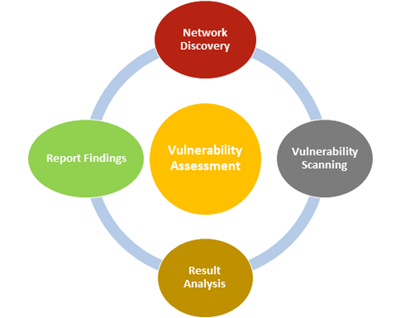
The four stages of vulnerability assessment are asset discovery, vulnerability scanning, risk analysis, and reporting. These steps identify and prioritize security weaknesses effectively.
What’s The Best Vulnerability Assessment Tool?
Tenable Nessus stands out as the best vulnerability assessment tool for its accuracy and comprehensive scanning. It identifies, classifies, and prioritizes security risks efficiently.
Conclusion
Regular vulnerability assessments help protect your systems from attacks. They find weak spots before hackers do. Assessments keep your data safe and maintain trust. Use them to improve security steadily and wisely. Choose the right tools and experts for best results.
Stay proactive, and reduce risks to your business. Vulnerability assessments are key to strong cybersecurity.
Read More
- Network Security Risk Assessment: Ultimate Guide to Protect Your Data
- Data Breach Prevention Audit: Essential Steps to Secure Your Business
- Hipaa Security Compliance Audit: Essential Steps for Success
- Security Policy Review Checklist: Essential Steps for Ultimate Protection
- Penetration Testing Cost: Unveiling True Value and Savings
- Enterprise Cyber Audit Cost: Essential Insights to Save Big
- Managed Security Audit Service: Boost Your Cyber Defense Today
- Small Business Security Audit: Essential Steps to Protect Your Assets
- Cloud Security Audit Checklist: Essential Steps for Ultimate Protection
- Security Gap Analysis Report: Uncover Risks & Boost Protection