
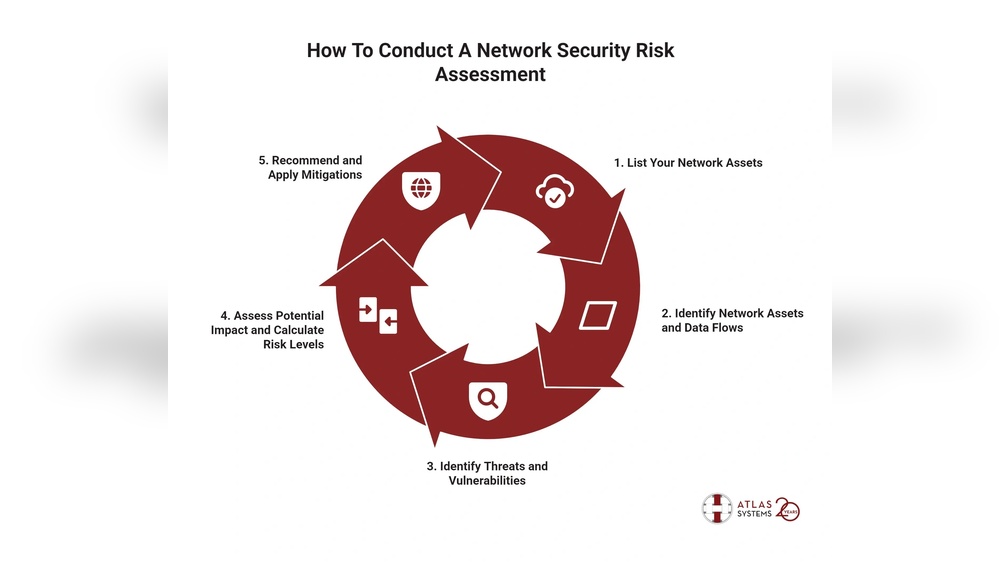
Are you confident your network is truly secure? Without a thorough Network Security Risk Assessment, hidden vulnerabilities could leave your business exposed to cyberattacks.
This isn’t just about technology—it’s about protecting your data, your reputation, and your future. You’ll discover how a simple, clear process can uncover weak spots before hackers do. Keep reading to learn how to take control of your network’s safety and prevent costly breaches before they happen.
Your peace of mind starts with understanding the risks.
Basics Of Network Security Risk
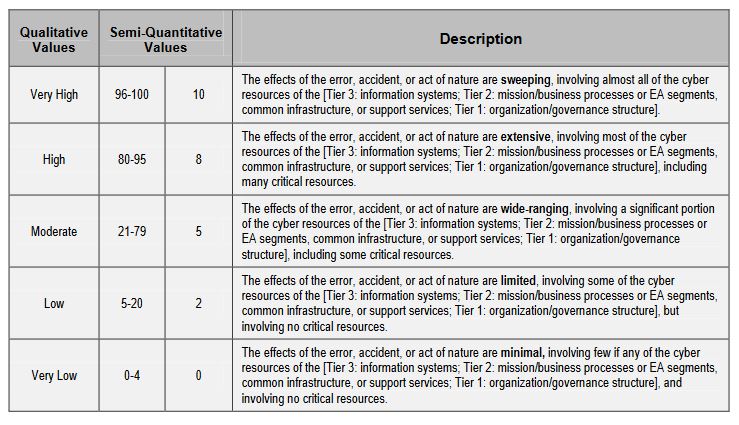
Network threats come in many forms such as viruses, malware, phishing attacks, and ransomware. These threats exploit weak points in your network. Common vulnerabilities include outdated software, weak passwords, and unsecured Wi-Fi networks. Hackers often use these to gain access to sensitive data.
The impact on business can be serious. It might cause data loss, financial damage, and harm to reputation. Downtime and loss of customer trust can follow. Protecting against these risks means identifying threats early and fixing vulnerabilities. This helps keep your network safe and your business running smoothly.
Preparing For Risk Assessment
Setting clear objectives helps focus the risk assessment process. Objectives define what risks to find and how to handle them. This step ensures the assessment meets the organization’s needs.
Gathering asset information means listing all devices, software, and data. Knowing what to protect is key to spotting risks. This includes computers, servers, and network equipment.
Defining scope sets the boundaries of the assessment. It decides which parts of the network to review. This keeps the process manageable and focused on critical areas.
Identifying Threats And Vulnerabilities
Internal threats come from inside the network. These include employees who may accidentally or purposely cause harm. External threats come from outside sources like hackers or malware attacks.
Both types can cause serious damage. It is important to know the difference to protect your network well.
| Tool | Purpose | Key Feature |
|---|---|---|
| Nessus | Vulnerability scanning | Detects security issues on devices |
| OpenVAS | Network vulnerability assessment | Open-source and regularly updated |
| Qualys | Cloud-based scanning | Easy to use with detailed reports |
Analyzing network weaknesses helps find areas to improve. Look for outdated software, weak passwords, and open ports. Fix these to reduce risk and keep data safe.
Evaluating Risk Levels
Assessing likelihood of threats means checking how often a risk might happen. This involves looking at past data and current security gaps. Some threats are common, others rare. Knowing this helps to focus on real dangers.
Estimating potential impact looks at what damage a threat could cause. It could be lost data, money, or trust. Bigger impacts need more attention. Think about how bad the harm could be.
Risk prioritization techniques help decide which risks to fix first. Use simple scales like low, medium, or high. Also, consider how easy risks are to reduce. This guides smart choices in security efforts.
Risk Mitigation Strategies
Implementing security controls is key to reduce network risks. Firewalls, antivirus software, and intrusion detection systems protect data and devices. Strong passwords and multi-factor authentication add extra layers of defense.
Patch management means regularly updating software to fix security holes. Ignoring patches lets hackers exploit weaknesses. Set a schedule to check and install updates promptly. This keeps systems safe and stable.
Employee training and awareness help prevent human errors that cause breaches. Teach staff to recognize phishing emails and suspicious links. Clear rules on data handling and device use reduce careless mistakes. Regular drills keep security top of mind.
Using Risk Assessment Tools
Automated assessment software speeds up the risk evaluation process. It scans systems for known threats and vulnerabilities quickly. These tools provide detailed reports and suggest fixes to improve security. Automation reduces human errors and saves time.
Manual audit methods involve experts checking systems step-by-step. They look at configurations, user access, and network traffic carefully. This method finds issues that software might miss. It also helps to understand complex security setups better.
Integration with security frameworks like NIST or ISO 27001 ensures assessments follow trusted standards. These frameworks offer rules for managing and reducing risks. Using them makes the assessment more thorough and consistent. It also helps meet legal and industry requirements.
Continuous Monitoring And Review
Tracking security metrics helps measure how well defenses work. It shows if controls stop attacks or if risks grow. Metrics like intrusion attempts, patch status, and user reports give clear data. These numbers guide changes to improve protection.
Updating risk assessments is key. New devices, software, or policies can change risks. Regular reviews keep the picture accurate. Teams check if threats have changed or new weaknesses appeared. This keeps the security plan strong and relevant.
Responding to new threats means quick action when risks arise. Monitoring news, alerts, and security feeds helps spot dangers early. Teams must act fast to fix gaps or block attacks. Staying alert reduces damage and keeps data safe.
Compliance And Legal Considerations
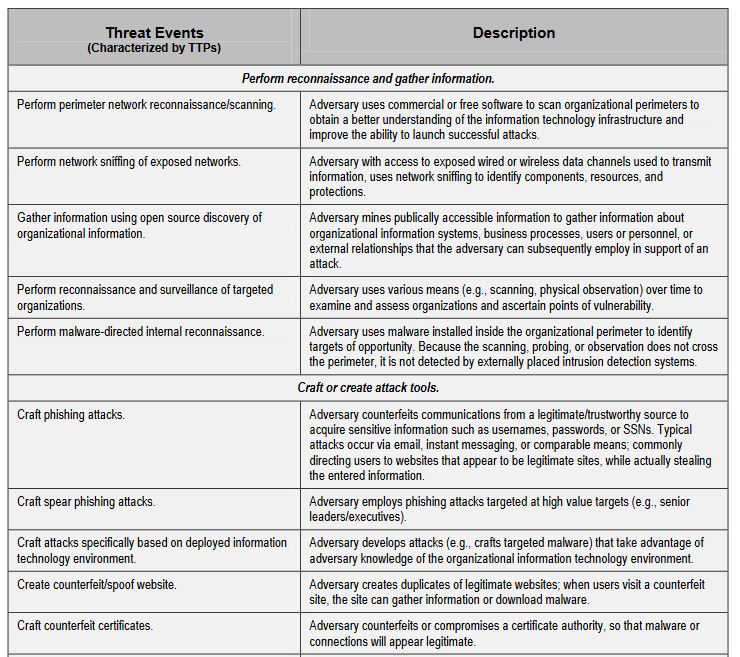
Regulatory requirements set clear rules for protecting network data. Organizations must follow laws like HIPAA, PCI-DSS, and SOX. These laws help keep sensitive information safe from breaches and misuse.
Data privacy laws such as GDPR and CCPA protect personal information. Companies must handle data carefully and respect user rights. Violating these laws can lead to heavy fines and damage to reputation.
Reporting and documentation are critical parts of compliance. Keeping detailed records shows how risks are managed. Reports must be accurate and submitted on time to avoid penalties. Clear documentation also helps during audits and reviews.
Frequently Asked Questions
What Is A Network Security Risk Assessment?
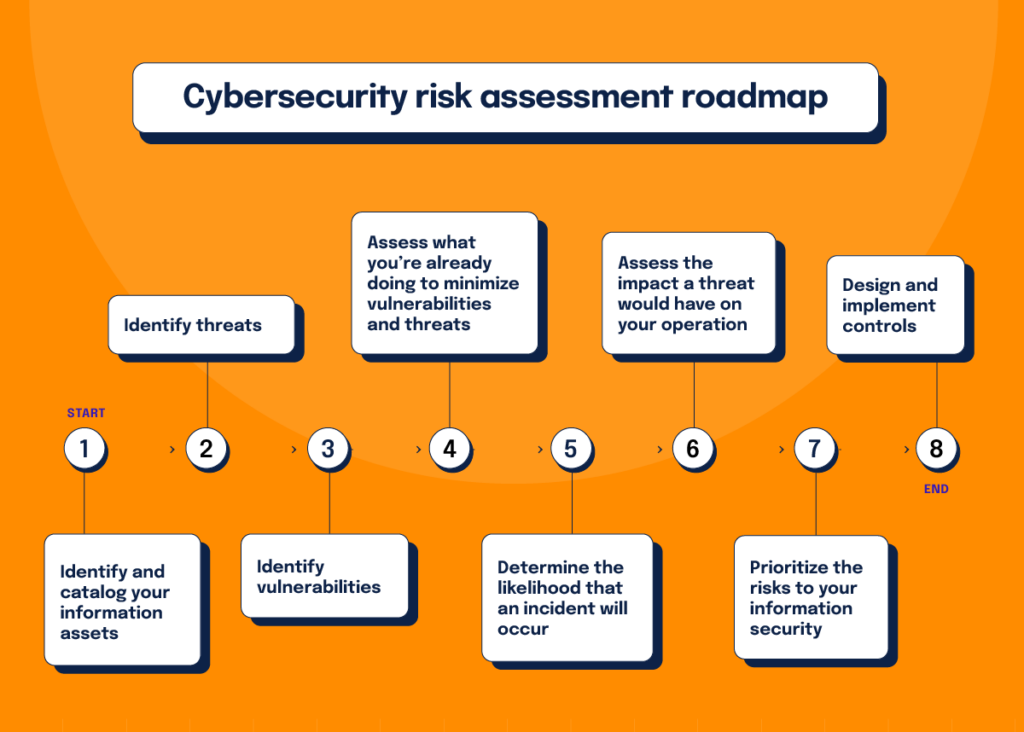
A network security risk assessment identifies and evaluates vulnerabilities in your network. It helps prioritize risks to protect data and systems from cyber threats effectively.
Why Is Network Security Risk Assessment Important?
It helps prevent data breaches by detecting weaknesses early. This assessment ensures compliance with regulations and strengthens overall cybersecurity defenses.
How Often Should You Perform A Risk Assessment?
Perform a network security risk assessment at least annually. Also, conduct assessments after major system changes or security incidents to stay protected.
What Are Common Threats Found In Assessments?
Common threats include malware, phishing, unauthorized access, and outdated software. Identifying these helps mitigate risks and improve network security controls.
Conclusion
Conducting a network security risk assessment protects your digital assets. It helps spot weak points before attackers do. You learn which threats matter most to your business. Assessments guide you in applying the right security controls. Staying proactive reduces chances of costly data breaches.
Regular checks keep your defenses up to date. Remember, strong security starts with understanding your risks. Don’t wait until problems arise to act. Protect your network, protect your reputation.
Read More
- Data Breach Prevention Audit: Essential Steps to Secure Your Business
- Hipaa Security Compliance Audit: Essential Steps for Success
- Security Policy Review Checklist: Essential Steps for Ultimate Protection
- Penetration Testing Cost: Unveiling True Value and Savings
- Enterprise Cyber Audit Cost: Essential Insights to Save Big
- Managed Security Audit Service: Boost Your Cyber Defense Today
- Vulnerability Assessment Services: Essential Steps to Secure Your Business
- Small Business Security Audit: Essential Steps to Protect Your Assets
- Cloud Security Audit Checklist: Essential Steps for Ultimate Protection
- Security Gap Analysis Report: Uncover Risks & Boost Protection