
Are you confident your data is truly safe from hackers and cyber threats? Every day, businesses face the risk of costly data breaches that can damage their reputation and bottom line.
A Data Breach Prevention Audit is your first critical step to uncover hidden vulnerabilities before they turn into a disaster. By examining your current security measures and pinpointing weak spots, you gain the power to protect your valuable information and keep cybercriminals out.
You’ll discover how a thorough audit can shield your business, reduce risk, and give you peace of mind. Keep reading—your data’s safety depends on it.
Audit Preparation
Start by setting clear objectives for the audit. Define what areas need review and what risks to find. This helps keep the process focused and efficient.
Next, assemble a skilled audit team. Include people from IT, security, and management. Their combined knowledge strengthens the audit.
Collect all necessary documentation beforehand. This includes security policies, past audit reports, and incident logs. Having these ready speeds up the audit process.
Assess Security Policies
Reviewing data handling procedures helps protect sensitive information. Check how data is collected, stored, and shared. Look for steps that reduce risk of leaks or theft.
Evaluating access controls means ensuring only authorized people can see data. Use strong passwords and limit access by job role. Regularly update permissions to keep control tight.
| Compliance Standards | What to Check |
|---|---|
| GDPR | Proper consent, data subject rights, and breach notification |
| HIPAA | Protect health information and follow privacy rules |
| PCI DSS | Secure payment data and maintain strong network security |
Following these steps helps build a strong defense against data breaches. Regular audits find weak spots before they cause problems.
Evaluate Technical Controls
Analyze network security by checking firewalls, routers, and intrusion detection systems. Ensure all devices have the latest updates and patches. Look for unusual traffic or unauthorized access attempts. A strong network setup blocks many cyber threats before they reach your data.
Inspect endpoint protection on all devices like laptops, phones, and servers. Confirm antivirus and anti-malware software is active and up to date. Check for device encryption and secure configurations. Endpoint security stops attackers from using weak devices as entry points.
Test encryption methods to protect sensitive data. Verify data is encrypted during transfer and storage. Use strong algorithms and manage keys securely. Good encryption makes stolen data useless to hackers.

Identify Vulnerabilities
Penetration testing simulates cyber attacks to find weak spots. Experts try to break into systems safely to reveal flaws. This helps fix problems before real hackers exploit them.
Malware scanning checks all files and programs for harmful software. Regular scans catch viruses, spyware, and ransomware early. It stops threats from spreading and stealing data.
Physical security means protecting servers and devices from theft or damage. Locking rooms, using ID badges, and monitoring cameras reduce risks. Even strong digital security fails if physical access is weak.
Review Incident Response Plan
Examine breach notification procedures carefully. Make sure the steps to alert affected people are clear and quick. Check if the notifications meet legal requirements. This helps avoid fines and builds trust.
Test response team readiness regularly. Run drills to see how fast and well the team acts during a breach. Identify weak spots and train team members to improve their skills. Prepared teams reduce damage.
Evaluate recovery processes to ensure data and services can be restored fast. Review backup methods and timelines. Confirm the plan covers all important systems. Fast recovery limits business disruption and loss.
Employee Training And Awareness
Security training programs must be checked often. Ensure they cover key topics like password safety and data privacy. Training should be easy to understand and updated regularly to keep up with new threats.
Phishing awareness is crucial. Teach employees how to spot fake emails and suspicious links. Use real-life examples and quizzes to help them learn. This lowers the chance of a successful phishing attack.
Encouraging reporting helps catch problems early. Make clear rules for reporting suspicious activities. Ensure employees feel safe and supported when they report. Quick action can stop breaches before they happen.
Document Findings
The audit found several critical risks that need quick attention. Weak passwords and outdated software were common issues. Some systems lacked proper encryption, exposing sensitive data.
Access controls are often too broad, allowing unnecessary permissions. This increases the chance of unauthorized data access. Employee training on security is inconsistent, which can cause human errors.
| Key Risks | Remediation Steps |
|---|---|
| Weak password policies | Enforce strong passwords and multi-factor authentication |
| Outdated software | Regularly update and patch all systems |
| Lack of data encryption | Implement encryption for all sensitive data |
| Excessive access rights | Restrict access to only necessary users |
| Poor employee security training | Conduct regular security awareness sessions |
Implement Improvements
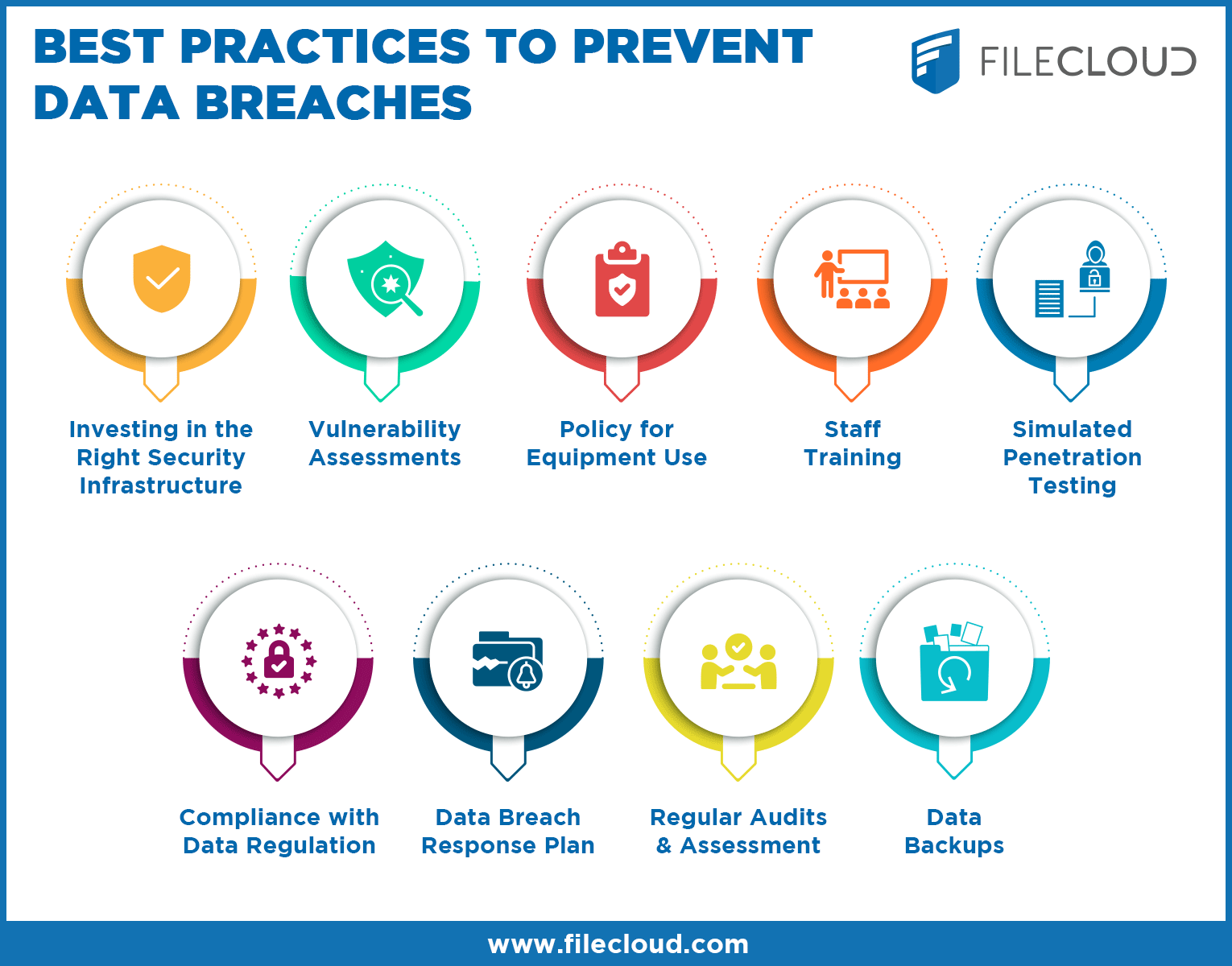
Prioritize security enhancements based on audit findings. Focus on fixing the most critical risks first. Strengthen firewalls, update software, and improve access controls. Train employees on safe data handling and recognizing threats. Small changes can make a big difference in protection.
Update policies and procedures to match current security needs. Clear rules help everyone understand their role in keeping data safe. Include steps for responding to breaches quickly and correctly. Keep documents simple and easy to follow.
Schedule follow-up audits regularly to check progress. These help catch new risks and verify fixes work. A routine audit plan keeps security strong over time. Track improvements and keep improving step by step.
Frequently Asked Questions
What Is The Most Hacked Website?
WordPress websites rank as the most hacked due to widespread use and frequent plugin vulnerabilities. Regular updates reduce risks.
What Are The 5 C’s Of Audit?
The 5 C’s of audit are Character, Capacity, Capital, Collateral, and Conditions. They assess creditworthiness and risk.
What Is The 72 Hour Rule For Data Breach?
The 72-hour rule requires organizations to report data breaches to authorities within 72 hours of discovery. This ensures timely response and compliance.
What Are The 4 Types Of Audit?
The four types of audits are financial, compliance, operational, and information system audits. Each evaluates different organizational aspects.
Conclusion
A data breach prevention audit helps find weak spots in your system. It shows where hackers might enter and what to fix. Regular audits keep your data safer and reduce risks. Small steps taken now protect your business later. Stay alert, update your security, and review policies often.
Protecting data is a continuous effort, not a one-time task. Keep your business and customers safe with ongoing audits.
Read More
- Network Security Risk Assessment: Ultimate Guide to Protect Your Data
- Hipaa Security Compliance Audit: Essential Steps for Success
- Security Policy Review Checklist: Essential Steps for Ultimate Protection
- Penetration Testing Cost: Unveiling True Value and Savings
- Enterprise Cyber Audit Cost: Essential Insights to Save Big
- Managed Security Audit Service: Boost Your Cyber Defense Today
- Vulnerability Assessment Services: Essential Steps to Secure Your Business
- Small Business Security Audit: Essential Steps to Protect Your Assets
- Cloud Security Audit Checklist: Essential Steps for Ultimate Protection
- Security Gap Analysis Report: Uncover Risks & Boost Protection