
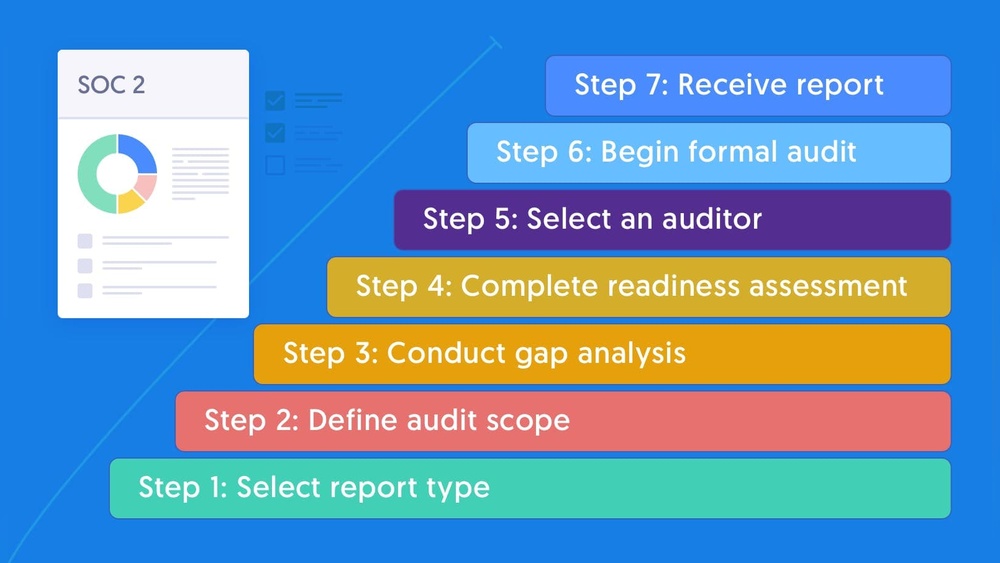
Getting ready for a SOC 2 audit can feel overwhelming, but it doesn’t have to be. If you’re wondering how to start, what steps to take, or how to ensure your company passes with flying colors, you’re in the right place.
This guide will walk you through the essential preparation steps, helping you understand exactly what auditors look for and how you can meet their expectations. Whether you’re new to SOC 2 or aiming to improve your current processes, you’ll find clear, actionable advice here to make your audit smoother and more successful.
Keep reading to discover how to take control of your SOC 2 audit preparation and protect your business’s reputation.
Trust Services Criteria
Security is the mandatory baseline for all SOC 2 audits. It ensures protection against unauthorized access and threats. Other criteria can be chosen based on your business needs:
- Availability: Focuses on system uptime and data backup processes.
- Confidentiality: Protects sensitive information from unauthorized disclosure.
- Processing Integrity: Ensures systems operate correctly and data is accurate.
- Privacy: Deals with the proper handling of personal information.
Identifying systems and assets is key. Map where customer data is stored, processed, and sent. Separate production systems from testing or internal tools. This helps reduce audit time and costs.
Gap Assessment
Start by evaluating current controls in your organization. Check if existing policies and procedures meet SOC 2 requirements. Look for evidence of control effectiveness through documents or system logs.
Identifying compliance gaps is the next step. Compare current controls against SOC 2 criteria. Highlight areas where controls are missing, weak, or not properly documented. This helps focus efforts on what needs fixing.
Use a prioritization approach for remediation efforts. Address gaps that pose the highest risk first. Consider factors like data sensitivity and business impact. Set clear deadlines and assign responsible teams to track progress effectively.
Implementing Controls
Access control measures protect sensitive data by limiting who can see or use it. Use Multi-Factor Authentication (MFA) to add a second step for login. Assign roles with role-based access controls (RBAC) to give permissions based on job needs. Regularly review permissions to remove access from former employees or unused accounts.
Logging and monitoring setup helps track what happens on your systems. Enable centralized audit logs to collect data in one place. Use real-time monitoring to quickly spot unusual activity or security issues. This helps catch problems early and supports audit requirements.
Incident response planning means having a clear plan for security problems. Write down steps for identifying, responding to, and fixing incidents. Regularly test your plans to make sure everyone knows their role and can act fast. Include disaster recovery and business continuity to keep systems running during crises.
Documentation And Training
Policy and procedure documentation is crucial for SOC 2 audit success. Clear, written policies show how your company protects data and manages risks. These documents must be easy to understand and kept up to date. They serve as proof that security rules are followed.
Staff security awareness helps reduce risks. Employees should know their roles in keeping data safe. Teaching them about phishing, password safety, and reporting incidents builds a strong defense. Everyone must understand how to spot and avoid threats.
Training and testing plans keep security skills sharp. Regular training sessions refresh knowledge. Testing through quizzes or simulated attacks checks if staff apply what they learned. These plans show auditors your team is prepared to handle security challenges.
Selecting An Auditor
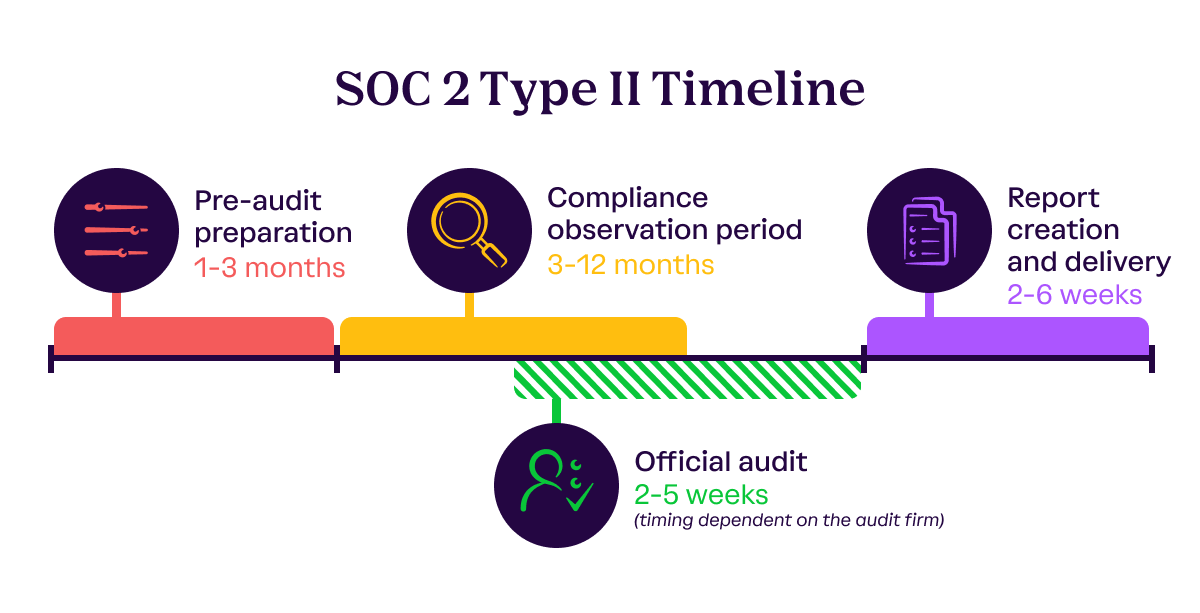
Choosing a licensed CPA firm ensures the auditor meets legal and professional standards. Check if the firm holds the proper licenses and certifications for SOC 2 audits. Experience matters a lot. An auditor with years of experience in SOC 2 audits understands common pitfalls and knows what to look for. Ask about their past clients and industries served to see if they fit your business type. Different SOC 2 report types exist: Type 1 reviews controls at a point in time, while Type 2 covers a period, usually six months. Consider which report type matches your needs and discuss it with your auditor. Choosing the right auditor saves time and ensures a smooth audit process.
Audit Process
Auditor interviews require clear, honest answers. Staff should be prepared to discuss security policies and daily tasks. Practice simple explanations about controls and processes. Keep answers direct and avoid jargon.
Gather all evidence and logs beforehand. Include access records, system configurations, and incident reports. Organize documents by date and type for easy retrieval. This helps auditors verify compliance quickly.
Audit timelines must be managed carefully. Set clear deadlines for each phase of the audit. Communicate schedules with your team and auditors. Track progress regularly to avoid last-minute rushes or delays.
Post-audit Steps
Addressing audit findings is crucial to improve your security posture. Review each finding carefully and create an action plan. Assign responsible team members to fix issues quickly. Track progress and document all changes made. This shows auditors your commitment to compliance.
Continuous monitoring helps maintain controls after the audit. Use tools to track system activities and detect risks early. Regularly review logs and update policies as needed. This keeps your environment secure and ready for future audits.
Planning for future audits ensures smoother processes next time. Keep all documentation organized and up to date. Train staff regularly on security best practices. Schedule internal reviews to catch gaps early. Staying proactive reduces stress and saves time.
Frequently Asked Questions
What Is Soc 2 Audit Preparation?
SOC 2 audit preparation involves defining audit scope, selecting Trust Services Criteria, and implementing security controls. It ensures your systems meet compliance for data protection and operational integrity. Proper preparation reduces audit risks and speeds up the review process.
How Do I Define The Audit Scope For Soc 2?
Defining audit scope means selecting relevant Trust Services Criteria like Security, Availability, and Confidentiality. You identify systems where customer data is processed or stored. Clear scoping saves time and audit costs by focusing on critical assets.
What Key Controls Should I Implement Before Soc 2 Audit?
Implement access controls like Multi-Factor Authentication and role-based access. Set up centralized logging and real-time monitoring. Also, document and test incident response and disaster recovery plans for compliance readiness.
Who Should Conduct The Soc 2 Audit?
Choose a licensed CPA firm or an experienced auditing organization. They perform assessments, interview staff, and review controls. Selecting experts ensures accurate, reliable audit results and helps meet compliance goals efficiently.
Conclusion
Preparing well for a SOC 2 audit reduces stress and saves time. Focus on clear steps like defining scope and securing systems. Keep records updated and train your team thoroughly. Choose a trusted auditor who understands your business needs. Staying organized helps you meet audit requirements smoothly.
Regular reviews improve your controls and show commitment to security. This approach builds trust with clients and protects your data. Consistent effort leads to successful SOC 2 compliance and stronger security.
Read More
- Network Security Risk Assessment: Ultimate Guide to Protect Your Data
- Data Breach Prevention Audit: Essential Steps to Secure Your Business
- Hipaa Security Compliance Audit: Essential Steps for Success
- Security Policy Review Checklist: Essential Steps for Ultimate Protection
- Penetration Testing Cost: Unveiling True Value and Savings
- Enterprise Cyber Audit Cost: Essential Insights to Save Big
- Managed Security Audit Service: Boost Your Cyber Defense Today
- Vulnerability Assessment Services: Essential Steps to Secure Your Business
- Small Business Security Audit: Essential Steps to Protect Your Assets
- Cloud Security Audit Checklist: Essential Steps for Ultimate Protection