
Are you confident that your organization’s sensitive health information is fully protected? A HIPAA Security Compliance Audit is the key to finding out.
This audit doesn’t just check boxes—it dives deep into your physical, administrative, and technical safeguards to ensure they work as they should. By understanding the audit process, you can identify gaps before they become costly problems. You’ll discover exactly what a HIPAA security audit involves, why it matters for your business, and how you can prepare to pass with flying colors.
Keep reading to take control of your compliance and protect your organization from risk.
Hipaa Audit Basics
HIPAA Security Audits check if health data is safe. They look at physical, administrative, and technical controls. Audits make sure rules protect patient info from leaks or hacks.
The purpose is to find and fix problems before bad things happen. They help organizations stay legal and avoid fines.
| Key Compliance Areas | Description |
|---|---|
| Physical Safeguards | Security of buildings, devices, and equipment |
| Administrative Safeguards | Policies and staff training for data protection |
| Technical Safeguards | Access controls, encryption, and audit controls |
Three main types of covered entities include:
- Health plans
- Healthcare providers
- Healthcare clearinghouses
Each must follow HIPAA rules to keep patient data safe and private.
Preparation Steps
Gathering documentation is key for a HIPAA security audit. Collect all policies, procedures, and security reports related to HIPAA rules. Ensure you have records of past risk assessments and incident reports. This helps show your organization follows the rules.
Conducting internal risk assessments helps find weak spots in your security. Check physical, technical, and administrative controls. Identify risks to electronic protected health information (ePHI). Fix any gaps found before the audit. This reduces chances of violations.
Training staff and stakeholders is essential. Teach them about HIPAA rules and how to protect patient data. Use simple, clear instructions. Make sure everyone understands their role in compliance. Regular training keeps security practices fresh and top of mind.
Audit Process
Physical Security Checks involve inspecting the location where data is stored. Auditors verify locks, surveillance cameras, and access controls. They ensure only authorized people enter sensitive areas. This step reduces the risk of physical theft or damage.
Administrative Controls Review looks at policies and procedures. Auditors check if staff training is up-to-date and if rules are clearly written. They also review incident response plans and risk assessments. This ensures the organization manages privacy and security properly.
Technical Safeguards Evaluation examines electronic protections. Auditors test firewalls, encryption, and access controls on computers and networks. They confirm that systems prevent unauthorized access and protect data integrity. This helps keep electronic health information safe.
Common Audit Findings
Access control issues are common in HIPAA audits. Many organizations fail to restrict system access properly. Unauthorized users may access sensitive health data. Often, user roles and permissions are not updated timely. This puts patient information at risk.
Incomplete policies and procedures cause audit failures. Some entities lack clear, written guidelines for security practices. Policies may be outdated or missing key elements. Staff training on these policies is often insufficient. This leads to inconsistent implementation and compliance gaps.
Inadequate risk management is another frequent finding. Many organizations do not perform regular risk assessments. They miss identifying potential threats to electronic protected health information (ePHI). Without proper risk analysis, security weaknesses remain unaddressed. This can lead to data breaches and penalties.
Tools And Resources
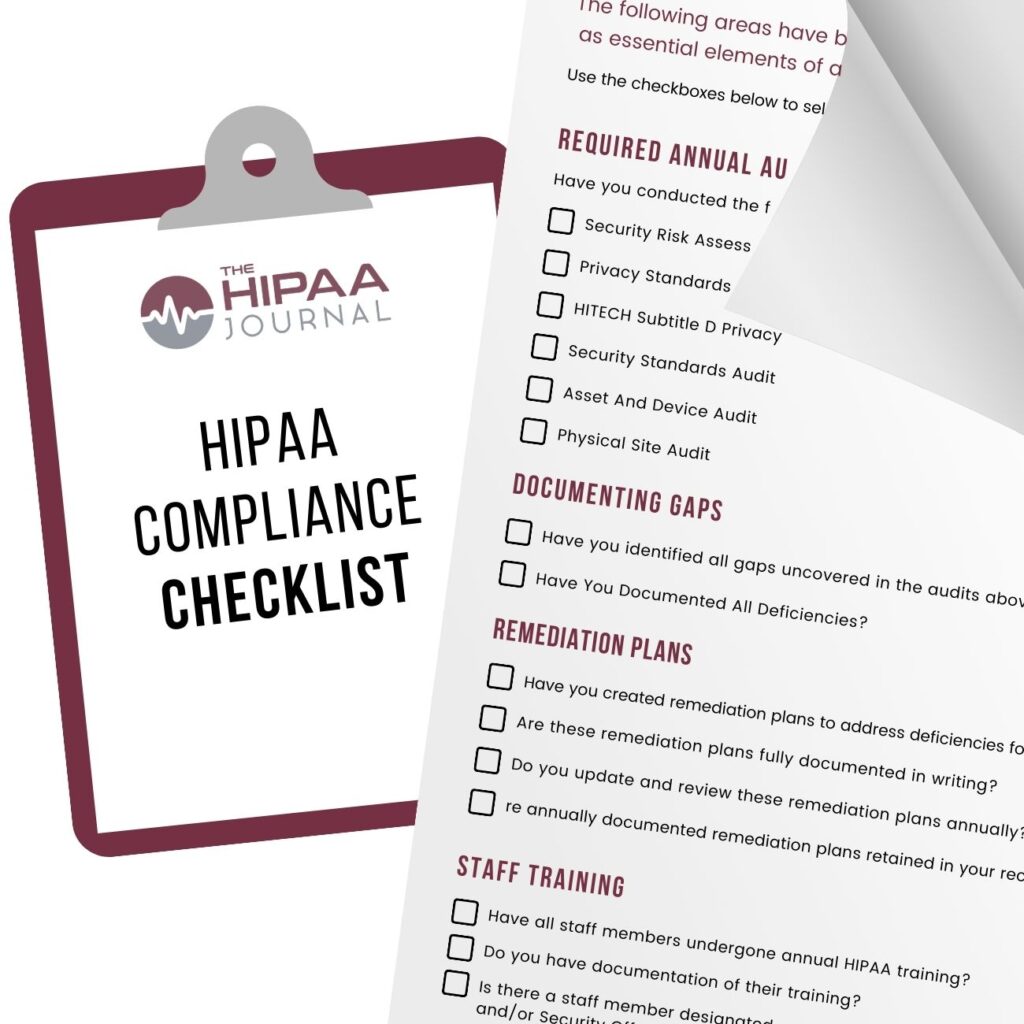
Audit checklists help track HIPAA compliance steps clearly. They list items to review, like policies, training, and security controls. Using checklists reduces errors and missed tasks during audits.
Security risk assessment software simplifies finding weak points in data protection. It scans systems, identifies risks, and suggests fixes. This software saves time and supports ongoing compliance.
Professional audit services offer expert help for thorough HIPAA reviews. Auditors know the rules and find issues that might be overlooked. Their reports guide improvements and prepare organizations for official audits.
Addressing Audit Results
Remediation planning begins by identifying all audit findings clearly. Prioritize issues by their risk level and impact on your organization. Create an action plan that assigns tasks and deadlines. Make sure everyone understands their role in fixing problems.
Implementing corrective actions means taking steps to fix weaknesses found during the audit. Update policies, improve security measures, and train staff on new procedures. Document each action taken to show progress and compliance. Quick response helps reduce risks and avoid penalties.
Monitoring and continuous improvement involve regularly checking controls to ensure they work well. Use audits, reports, and feedback to spot new issues early. Adjust your plans as needed to keep security strong. This ongoing process helps protect sensitive data and maintain trust.
Audit Triggers And Frequency
Regulatory requirements mandate regular HIPAA security audits. These audits ensure organizations protect patient information properly. The U.S. Department of Health and Human Services (HHS) sets these rules. Audits may happen at any time to check compliance with HIPAA standards.
Incident-driven audits occur after data breaches or complaints. These audits focus on investigating specific security failures. They help identify what went wrong and how to fix it quickly. Organizations must respond to these audits to avoid penalties.
Scheduled compliance reviews happen regularly, often yearly. They help maintain ongoing HIPAA compliance. Reviews cover physical, administrative, and technical safeguards. Regular audits reduce risk and improve data protection over time.
Benefits Of Compliance
Protecting patient data is the core of HIPAA security compliance. It ensures that sensitive health information stays private and safe from unauthorized access. This builds trust between patients and healthcare providers.
Avoiding penalties is another key benefit. Non-compliance can lead to heavy fines and legal problems. Staying compliant helps organizations save money and avoid costly disruptions.
Enhancing organizational reputation happens as a result of strong compliance. Patients and partners see the organization as responsible and trustworthy. This can lead to more business and better relationships in the healthcare community.

Frequently Asked Questions
What Is A Hipaa Security Compliance Audit?
A HIPAA Security Compliance Audit reviews an organization’s safeguards protecting electronic health information. It ensures policies, procedures, and technical controls meet HIPAA Security Rule standards. Audits assess risk management, access controls, and incident response to prevent data breaches and maintain patient privacy.
Who Must Undergo A Hipaa Security Audit?
Covered entities like healthcare providers, health plans, and business associates handling protected health information must comply. The audit applies to any organization managing electronic protected health information (ePHI) to confirm they meet HIPAA security requirements and protect sensitive data.
How Often Should Hipaa Security Audits Be Conducted?
HIPAA does not specify exact audit frequency, but annual audits are best practice. Regular reviews help identify vulnerabilities, ensure compliance, and address risks promptly. Organizations often conduct audits whenever significant changes occur or after security incidents.
What Are Common Hipaa Security Audit Findings?
Frequent findings include incomplete risk assessments, weak access controls, insufficient employee training, and lack of encryption. Auditors also identify gaps in incident response plans and failure to update security policies regularly. Addressing these improves overall compliance and data protection.
Conclusion
A HIPAA Security Compliance Audit helps protect patient information. It checks if your policies and controls work well. Staying compliant reduces risks and avoids penalties. Regular audits keep your organization safe and trustworthy. Prepare carefully and review all areas thoroughly.
This process supports ongoing security and privacy. Compliance is not a one-time task but a constant effort. Keep your focus on protecting sensitive data every day.
Read More
- Network Security Risk Assessment: Ultimate Guide to Protect Your Data
- Data Breach Prevention Audit: Essential Steps to Secure Your Business
- Security Policy Review Checklist: Essential Steps for Ultimate Protection
- Penetration Testing Cost: Unveiling True Value and Savings
- Enterprise Cyber Audit Cost: Essential Insights to Save Big
- Managed Security Audit Service: Boost Your Cyber Defense Today
- Vulnerability Assessment Services: Essential Steps to Secure Your Business
- Small Business Security Audit: Essential Steps to Protect Your Assets
- Cloud Security Audit Checklist: Essential Steps for Ultimate Protection
- Security Gap Analysis Report: Uncover Risks & Boost Protection