
Are you confident that your business is fully protected from risks tied to the companies you work with? Every partnership, vendor, or service provider you rely on can introduce hidden threats that might disrupt your operations or damage your reputation.
That’s where a Third Party Risk Audit becomes essential. By thoroughly examining how these outside parties impact your business, you can uncover potential vulnerabilities before they turn into costly problems. Keep reading to discover how a Third Party Risk Audit can give you the control and peace of mind your business needs to thrive.
Key Risks In Third-party Relationships
Operational risks include delays, poor quality, and service failures. These can disrupt your business and cause losses. Careful checks and clear contracts help reduce these risks.
Compliance and regulatory risks happen when third parties break laws or rules. This can lead to fines and legal trouble. Regular audits and monitoring keep compliance on track.
Cybersecurity threats are a major concern. Third parties might expose your data to hackers or viruses. Strong security standards and continuous checks protect sensitive information.
Reputational risks occur if a partner acts unethically or poorly. This can harm your brand and customer trust. Choose partners carefully and watch their actions closely.
Preparing For A Third-party Risk Audit
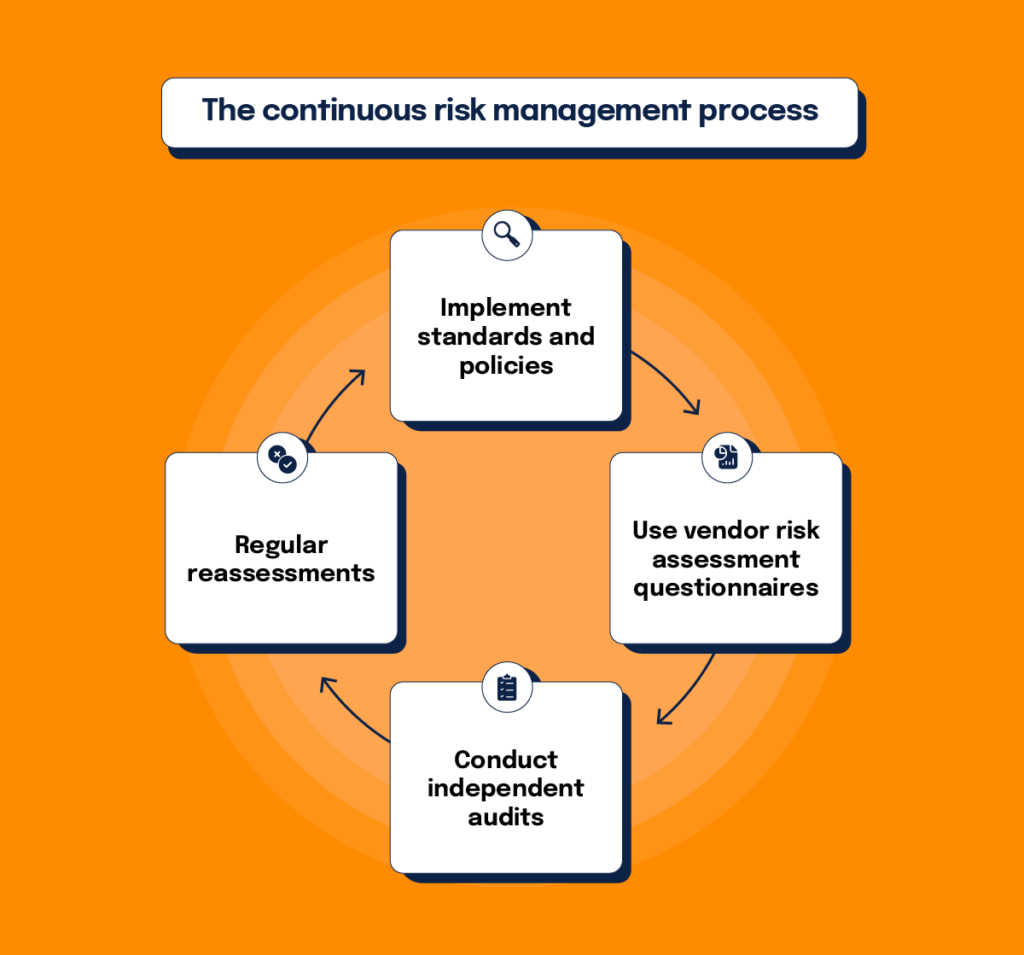
Identifying critical vendors means finding third parties that impact your business most. Focus on those who handle sensitive data or key services. Rank vendors by their risk level to prioritize audits effectively.
Setting audit objectives helps create a clear plan. Define what risks you want to assess, such as data security or compliance. Objectives guide the audit team and keep the process focused.
Gathering necessary documentation is essential for a smooth audit. Collect contracts, risk assessments, and previous audit reports. Having these ready saves time and provides evidence to support findings.
Audit Procedures And Techniques
Risk assessment methods help identify potential dangers from third parties. Auditors use checklists, interviews, and data analysis to measure risks. This helps prioritize which risks need urgent attention.
Reviewing contractual agreements ensures all parties meet legal and security standards. Auditors check terms related to data protection, service levels, and compliance. Clear contracts reduce misunderstandings and risks.
Evaluating control measures means checking if safeguards work well. This involves testing security systems, processes, and employee training. Strong controls lower the chance of problems.
Onsite audits allow auditors to see operations directly. They observe practices and interview staff for real insights. Remote audits use digital tools to review documents and systems. Both methods can find risks effectively.
Tools For Effective Risk Monitoring
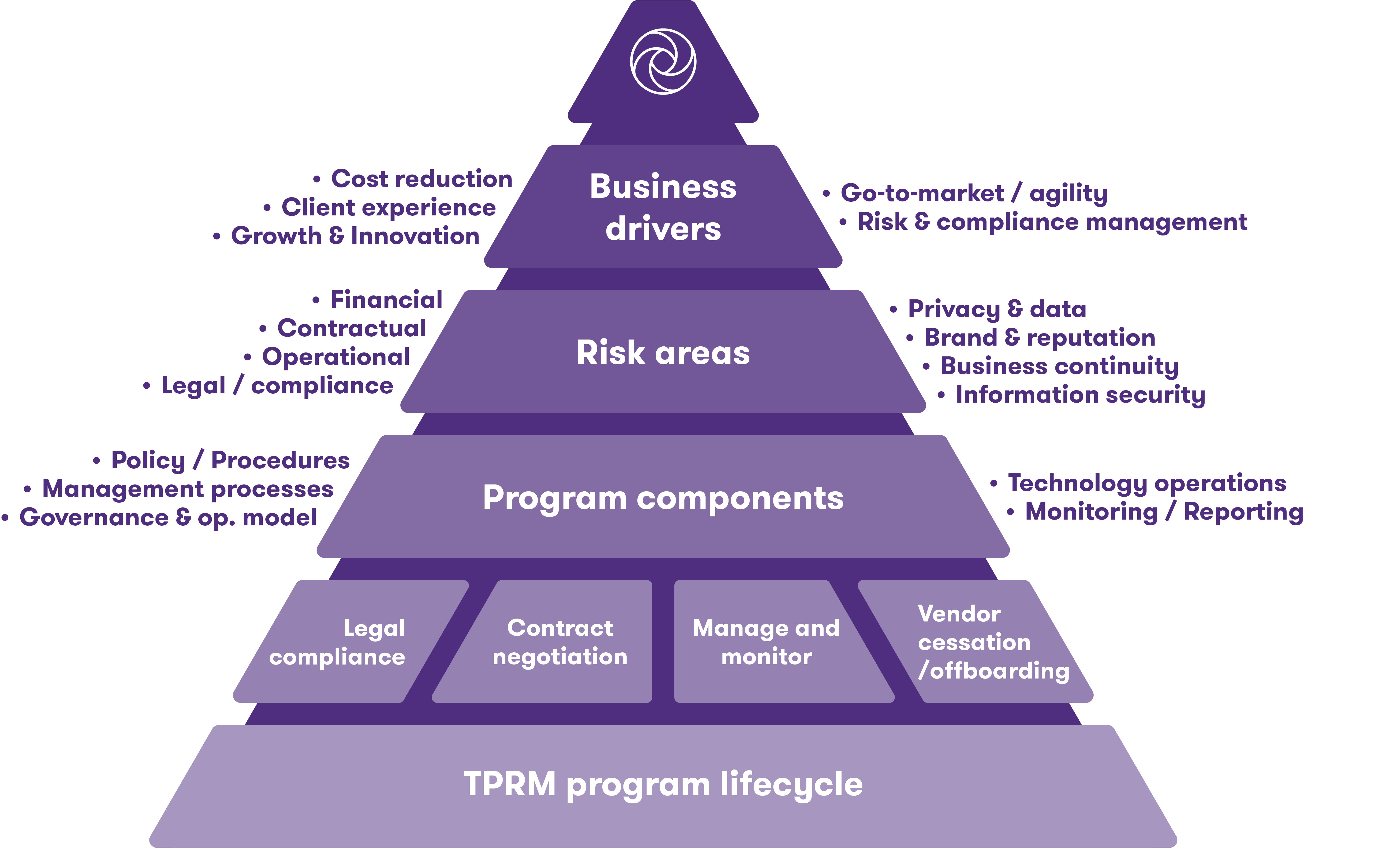
Automated risk management platforms help track third-party risks easily. They save time by scanning data and flagging problems fast. These platforms offer real-time alerts and simplify compliance checks.
Continuous monitoring systems keep watch on vendors 24/7. They spot changes and risks as they happen, helping prevent surprises. This ongoing review is key for early risk detection.
Data analytics and reporting turn raw data into clear insights. Simple dashboards show risk levels and trends at a glance. Reports help teams make smart decisions and improve risk controls.
Strategies To Reduce Third-party Risk
Implementing strong due diligence means checking third parties carefully before working with them. This helps find any risks early. It includes reviewing their background, financial health, and compliance with laws.
Regular performance reviews keep track of how well third parties meet expectations. Frequent checks help spot problems fast. These reviews can include quality, delivery times, and security measures.
Establishing clear communication channels ensures everyone shares important information quickly. Open lines of communication help solve issues before they grow. Clear roles and contact points reduce confusion.
Developing contingency plans prepares companies for unexpected problems with third parties. Having backup plans reduces downtime and losses. Plans should cover alternative suppliers and quick response steps.
Regulatory Compliance And Standards
Relevant laws and regulations set the rules for third-party risk audits. These include data protection acts, financial rules, and industry-specific laws. Companies must follow these laws to avoid fines and penalties.
Industry standards and frameworks guide how audits should be done. Examples are ISO 27001 for information security and NIST for risk management. These frameworks help companies keep their audits consistent and reliable.
Good audit documentation and reporting are key. Auditors collect evidence, write findings, and suggest improvements. Clear reports help businesses fix problems and meet compliance needs quickly.
Role Of Internal Audit Teams
Internal audit teams play a key role in oversight and governance of third-party risks. They ensure that controls are in place and working well. Auditors check if policies meet compliance standards. This helps prevent potential losses or legal issues.
Collaboration with risk management is crucial. Auditors work closely with risk teams to identify and assess high-risk third parties. Together, they prioritize which vendors need more attention and frequent reviews. This teamwork strengthens the company’s risk defenses.
Reporting findings and recommendations clearly is vital. Internal audit teams provide management with easy-to-understand reports. These reports highlight risks and suggest ways to reduce them. Following these recommendations helps improve third-party risk controls and protects the organization.
Future Trends In Third-party Risk Auditing
Artificial intelligence (AI) is changing how companies check their third parties. AI helps spot risks faster and more accurately. It can analyze large amounts of data to find hidden problems. This makes audits more efficient and less costly. AI tools can also predict future risks by learning from past data.
Cybersecurity is becoming stronger in third-party audits. Companies now demand tighter controls to protect sensitive data. Auditors check if third parties follow strict security rules. They look for ways to stop hackers and data leaks. This keeps business information safe and builds trust.
Regulators want more detailed reports and higher compliance. Rules are changing to cover new risks from technology and global markets. Auditors must keep up with these evolving expectations. They need to ensure third parties meet all legal and safety standards.
Frequently Asked Questions
What Is A Third Party Risk Audit?
A third party risk audit evaluates risks from external vendors or partners. It helps organizations identify vulnerabilities and ensure compliance. The audit examines security, operational, and financial risks linked to third parties. This process protects businesses from potential threats and disruptions.
Why Is Third Party Risk Audit Important?
It safeguards your organization from financial losses and reputational damage. Auditing third-party risks ensures compliance with regulations and internal policies. It also helps maintain business continuity by identifying and mitigating risks early. Ultimately, it strengthens vendor relationships and trust.
How Often Should Third Party Risk Audits Occur?
Frequency depends on vendor risk level and industry regulations. High-risk vendors may require audits annually or semi-annually. Lower-risk vendors might be audited less frequently, such as every two years. Regular audits ensure ongoing risk management and updated compliance.
What Key Areas Does A Third Party Risk Audit Cover?
Audits focus on data security, regulatory compliance, financial stability, and operational risks. They also review contract terms, incident response plans, and business continuity strategies. Evaluating these areas helps identify vulnerabilities and ensure vendor reliability.
Conclusion
A third party risk audit helps identify potential threats clearly. It checks how well third parties follow rules and protect data. Regular audits keep your business safer from hidden risks. They support smarter decisions about working with vendors. Protect your company by staying alert and reviewing risks often.
This practice builds trust and reduces chances of costly problems. Stay proactive to keep third-party relationships strong and secure.
Read More
- Network Security Risk Assessment: Ultimate Guide to Protect Your Data
- Data Breach Prevention Audit: Essential Steps to Secure Your Business
- Hipaa Security Compliance Audit: Essential Steps for Success
- Security Policy Review Checklist: Essential Steps for Ultimate Protection
- Penetration Testing Cost: Unveiling True Value and Savings
- Enterprise Cyber Audit Cost: Essential Insights to Save Big
- Managed Security Audit Service: Boost Your Cyber Defense Today
- Vulnerability Assessment Services: Essential Steps to Secure Your Business
- Small Business Security Audit: Essential Steps to Protect Your Assets
- Cloud Security Audit Checklist: Essential Steps for Ultimate Protection